
Introduction
Travel is one of the few experiences that constantly evolves with time, culture, and global circumstances. While the love for discovering new destinations never goes out of fashion, the trends that drive people to certain places—and push them away from others—shift with the seasons. Whether it’s due to weather patterns, global events, sustainability concerns, or changing traveler preferences, what’s hot and what’s not in seasonal travel says a lot about how the world moves.
In this guide, we explore how different seasons affect where people go, what experiences are gaining popularity, and what’s beginning to fade away. The goal isn’t just to spotlight destinations but to create awareness about smarter, more meaningful, and responsible seasonal travel.
Why Seasonal Travel Matters
Not every destination shines year-round. Some are perfect for snowy adventures in winter, while others call travelers with beaches and festivals in summer. Understanding seasonal travel trends helps in two ways:
-
Maximizing Experience – Visiting a place at its peak season ensures the best weather, events, and activities.
-
Avoiding Disappointments – Going off-season without preparation may lead to closed attractions, harsh weather, or overcrowding in certain periods.
That said, what’s “in season” changes faster than ever thanks to global warming, evolving infrastructure, and shifting preferences.
Hot This Season: What Travelers Are Flocking To
1. Cool-Weather Escapes During Summer Heat
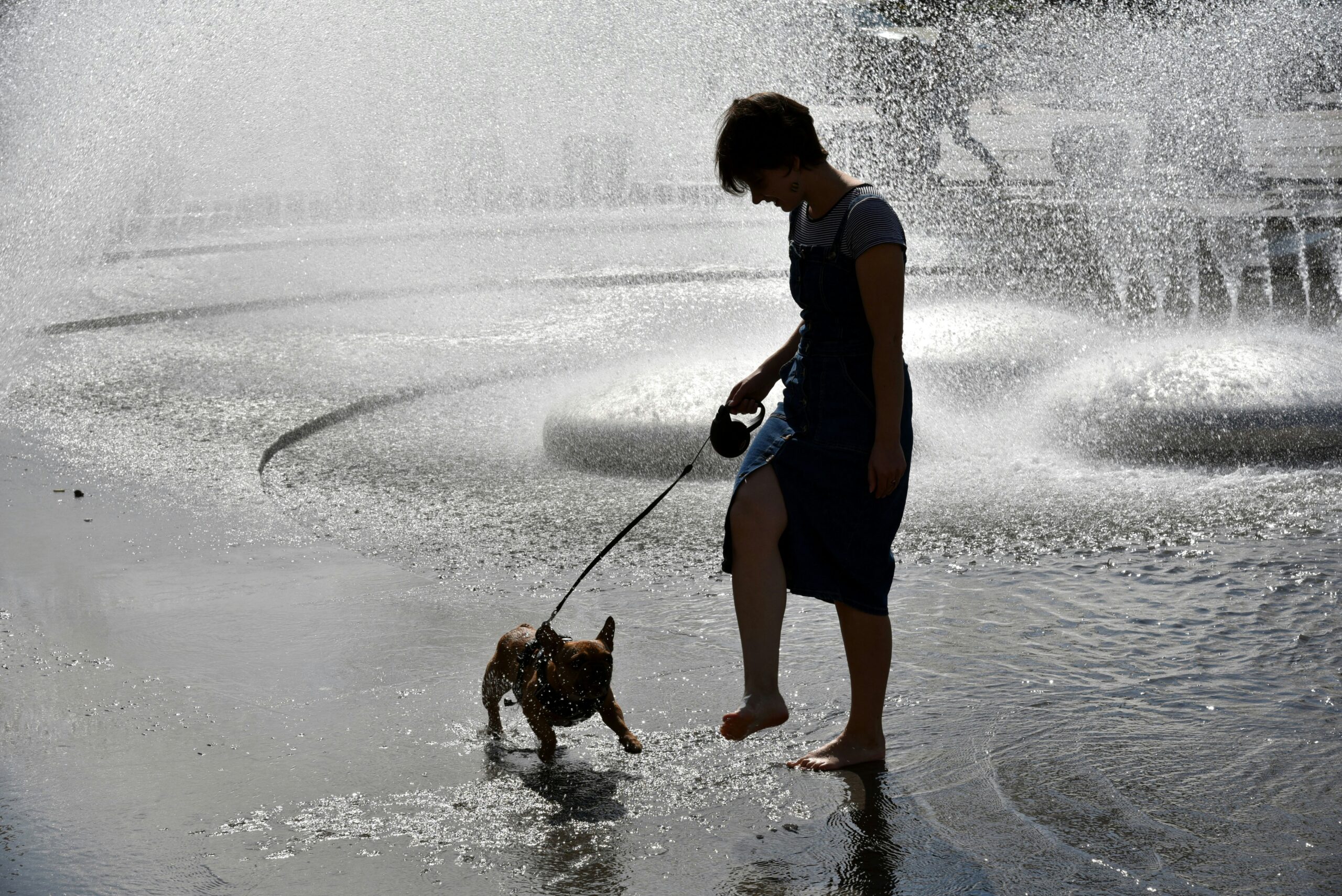
Global temperatures are rising, and summer heatwaves are making many traditional hot-weather destinations less appealing. Instead of heading to overly warm tropical beaches, travelers are flocking to cooler destinations like:
-
Scandinavia: Norway, Sweden, and Denmark are seeing growing popularity in summer thanks to their mild temperatures, stunning fjords, and endless daylight.
-
Scotland & Ireland: Rugged coastlines, green valleys, and lively festivals make them ideal summer choices.
-
New Zealand’s Winter: Since its winter aligns with the northern hemisphere’s summer, many travelers escape to snowy mountains in Queenstown or Wanaka.
2. Off-Season Cultural Immersion
Travelers are becoming more aware that visiting during peak tourist seasons can mean crowds, higher costs, and limited authenticity. Many now prefer “shoulder seasons” (spring and autumn), when destinations are calmer and more genuine. Examples include:
-
Japan in Autumn – While cherry blossoms in spring are iconic, autumn foliage is gaining just as much attention.
-
Spain in Spring – Instead of sweltering August heat, April or May offers vibrant festivals like Feria de Abril in Seville.
3. Sustainable Nature-Focused Trips
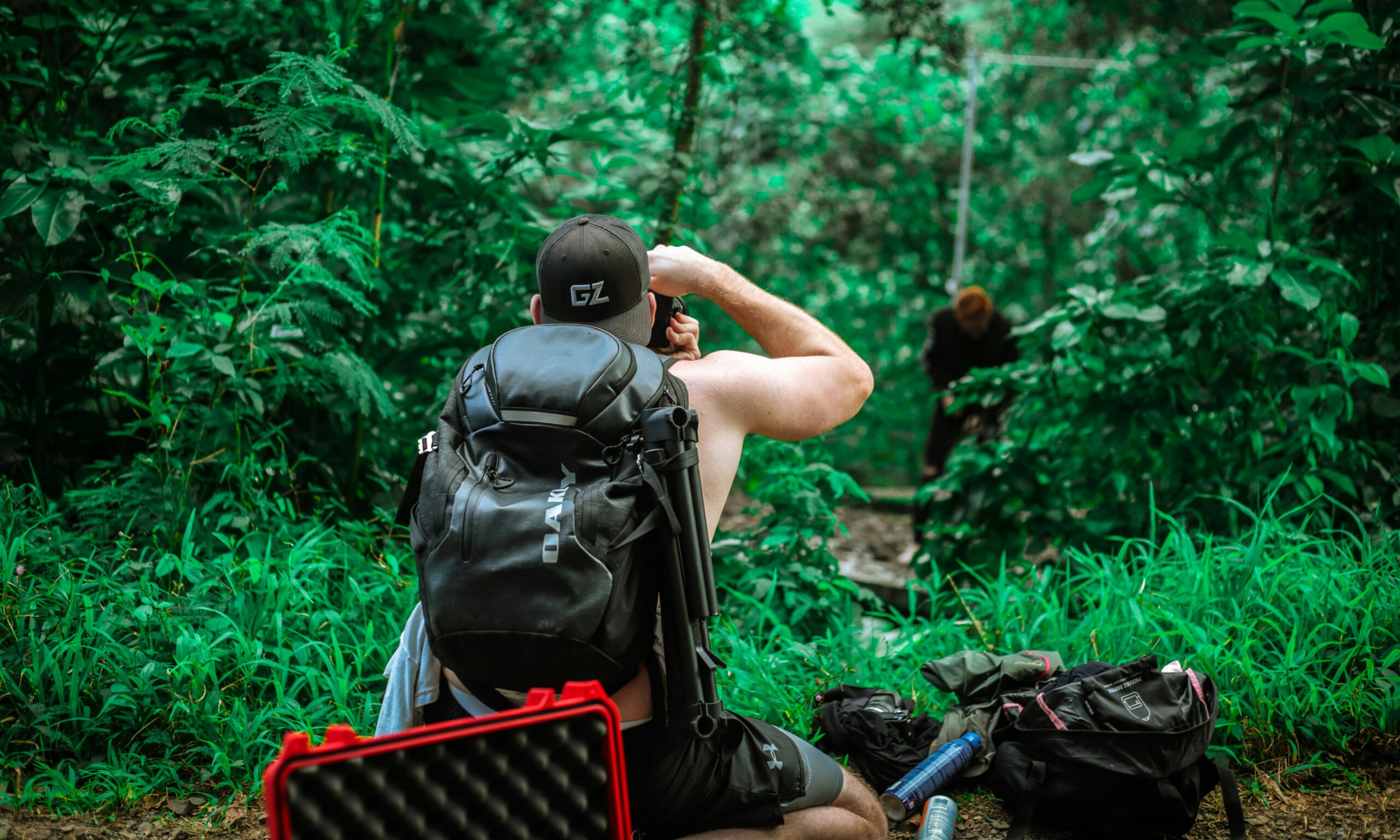
People are increasingly valuing experiences that reconnect them with nature while minimizing their footprint. Seasonal favorites include:
-
Wildflower Trails in South Africa (August–September)
-
Autumn Harvest in Tuscany (September–October)
-
Northern Lights in Iceland (Winter)
4. Seasonal Food and Festive Travel
Travelers are planning trips around food harvests, wine festivals, and holiday events. What’s hot now:
-
Christmas Markets in Central Europe – Germany, Austria, and Czech Republic see visitors chasing fairy-tale winter vibes.
-
Wine Harvests in France and Italy – Grape-picking seasons attract wine enthusiasts.
-
Seafood Seasons in Coastal Asia – Like the crab festivals in Japan during winter.
5. Wellness and Slow Travel Retreats
Post-pandemic, travelers are valuing relaxation and wellness over packed itineraries. Seasonal retreats such as yoga holidays in Bali during the dry season or Ayurveda treatments in Kerala during monsoon season are rising.
Not So Hot: What’s Losing Appeal
1. Overcrowded Summer Beaches
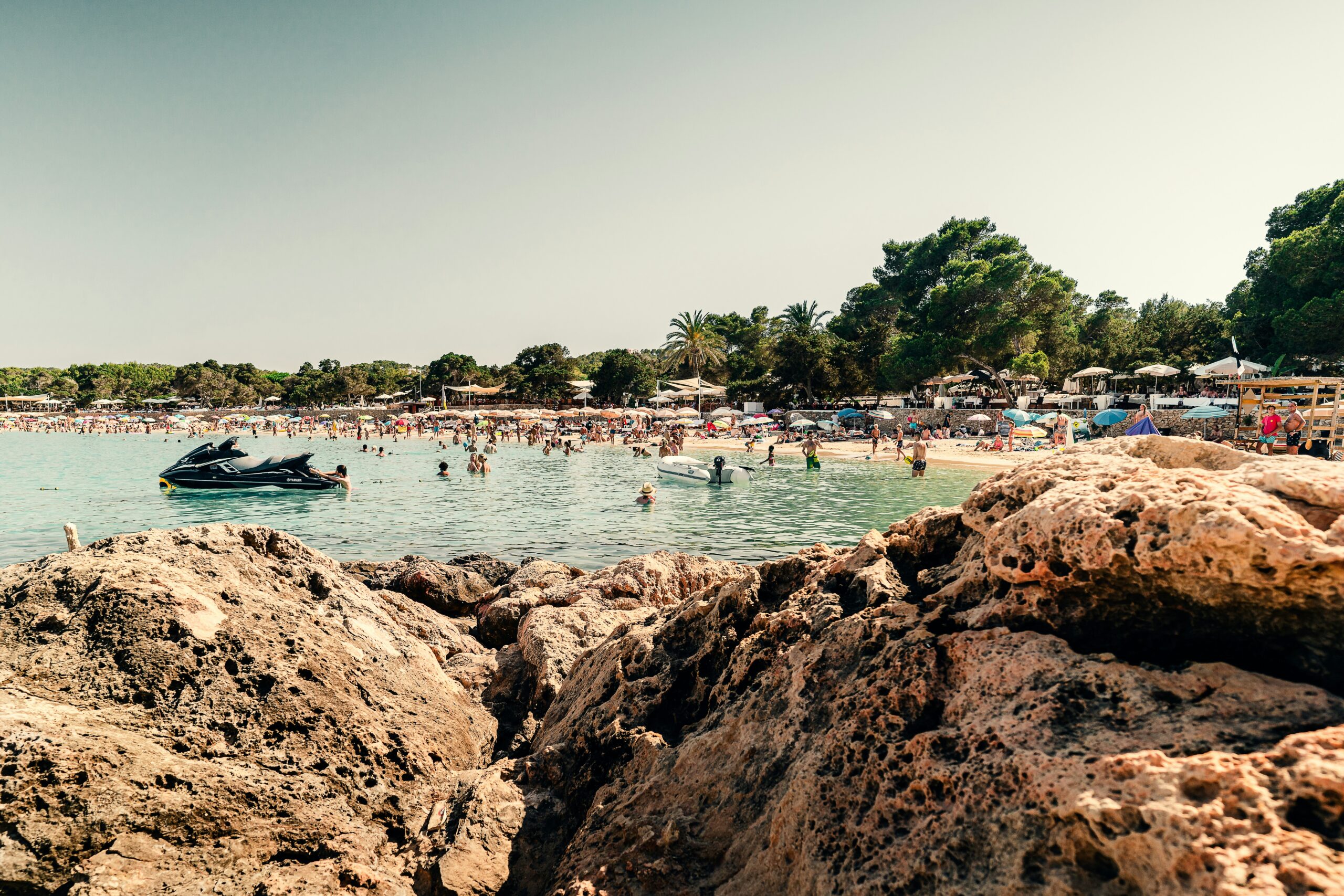
Places like Phuket, Bali, and Barcelona are still iconic, but the image of packed beaches and overdevelopment is pushing mindful travelers away. Rising sea temperatures and environmental concerns are also making some reconsider.
2. Cookie-Cutter Winter Resorts
Not long ago, winter meant flocking to famous ski resorts like Chamonix, Aspen, or Zermatt. While still popular, these destinations are starting to feel too commercialized. Adventure travelers are now looking at lesser-known ski towns in Eastern Europe, Japan’s powdery slopes, or even indoor ski domes in the Middle East.
3. Unpredictable Weather Hotspots
Destinations that once had reliable seasons are losing their shine due to unpredictable weather. For example:
-
Caribbean Hurricane Season (August–October) – Many travelers now avoid this period altogether.
-
South Asian Monsoons – While romanticized, heavy flooding and disruptions make some regions less appealing.
4. Massive Cruise Ships in Peak Season

Cruising is still loved, but large-scale summer voyages that unload thousands of people at once in fragile destinations are facing backlash. Travelers are turning instead toward river cruises in Europe or small expedition-style ships to polar regions.
5. Generic All-Inclusive Resorts
Resorts that feel the same regardless of location are losing traction. People want seasonal authenticity—like staying in a vineyard villa in summer Italy or a mountain lodge in winter Canada—rather than cookie-cutter hotel experiences.
The Role of Global Awareness in Seasonal Travel
Awareness of climate, sustainability, and local culture is shaping what’s hot and what’s not. Travelers are realizing that their seasonal choices have ripple effects on communities and ecosystems. For example:
-
Overtourism in Venice during summer has made responsible travelers seek nearby alternatives like Verona or Trieste in shoulder seasons.
-
Heatwaves in Southern Europe are pushing people to consider northern escapes or off-season visits.
-
Wildlife Tourism is being re-evaluated: instead of safari-only trips in Africa during dry season, more are exploring conservation programs year-round.
This shift in awareness is helping balance tourism across different months, giving destinations breathing space while offering travelers richer, less crowded experiences.
Seasonal Travel Tips for Smarter Choices
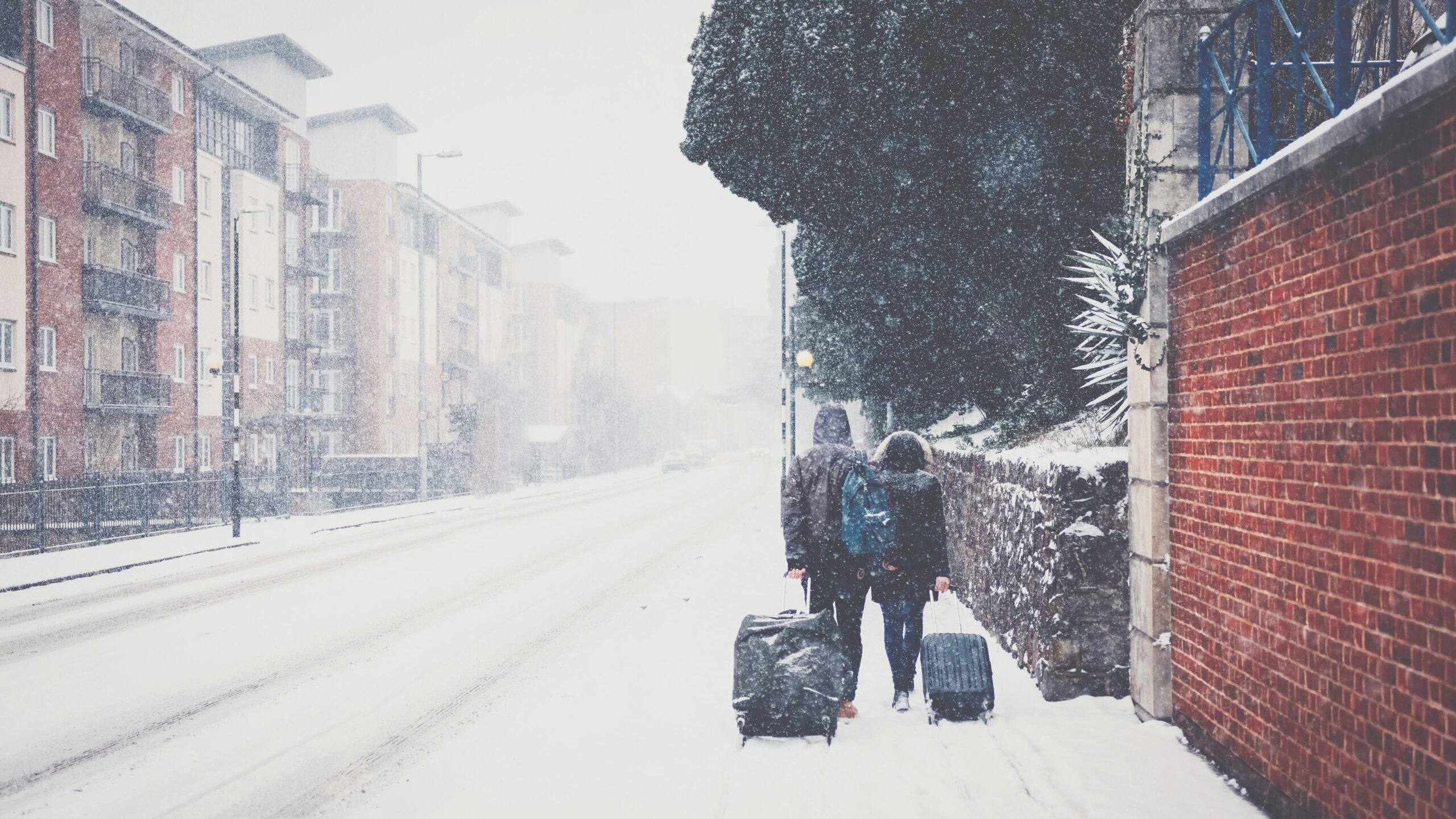
If seasonal travel trends are evolving, how can travelers adapt? Here are some practical awareness tips:
-
Think Beyond the Obvious – Instead of Paris in July, consider Lyon in May or Bordeaux in September.
-
Check Climate Realities – Don’t rely on outdated assumptions about seasons; weather apps and local reports can help avoid disappointments.
-
Support Local Festivals – Plan trips around authentic cultural events that align with the season.
-
Be Flexible with Shoulder Seasons – Early spring or late autumn often provide the best mix of comfort, value, and authenticity.
-
Respect Nature’s Calendar – Whether it’s whale migration, tulip blooming, or northern lights, seasonal natural wonders can be more rewarding than man-made attractions.
Looking Ahead: Future of Seasonal Travel
The future of seasonal travel is likely to be defined by climate adaptation and sustainable tourism practices. Some predictions include:
-
Longer “Shoulder Seasons”: As summers get hotter, spring and autumn will become peak travel times in many regions.
-
Rise of Micro-Seasonal Travel: Specific short-lived events like cherry blossoms, lavender blooms, or meteor showers will gain more attention.
-
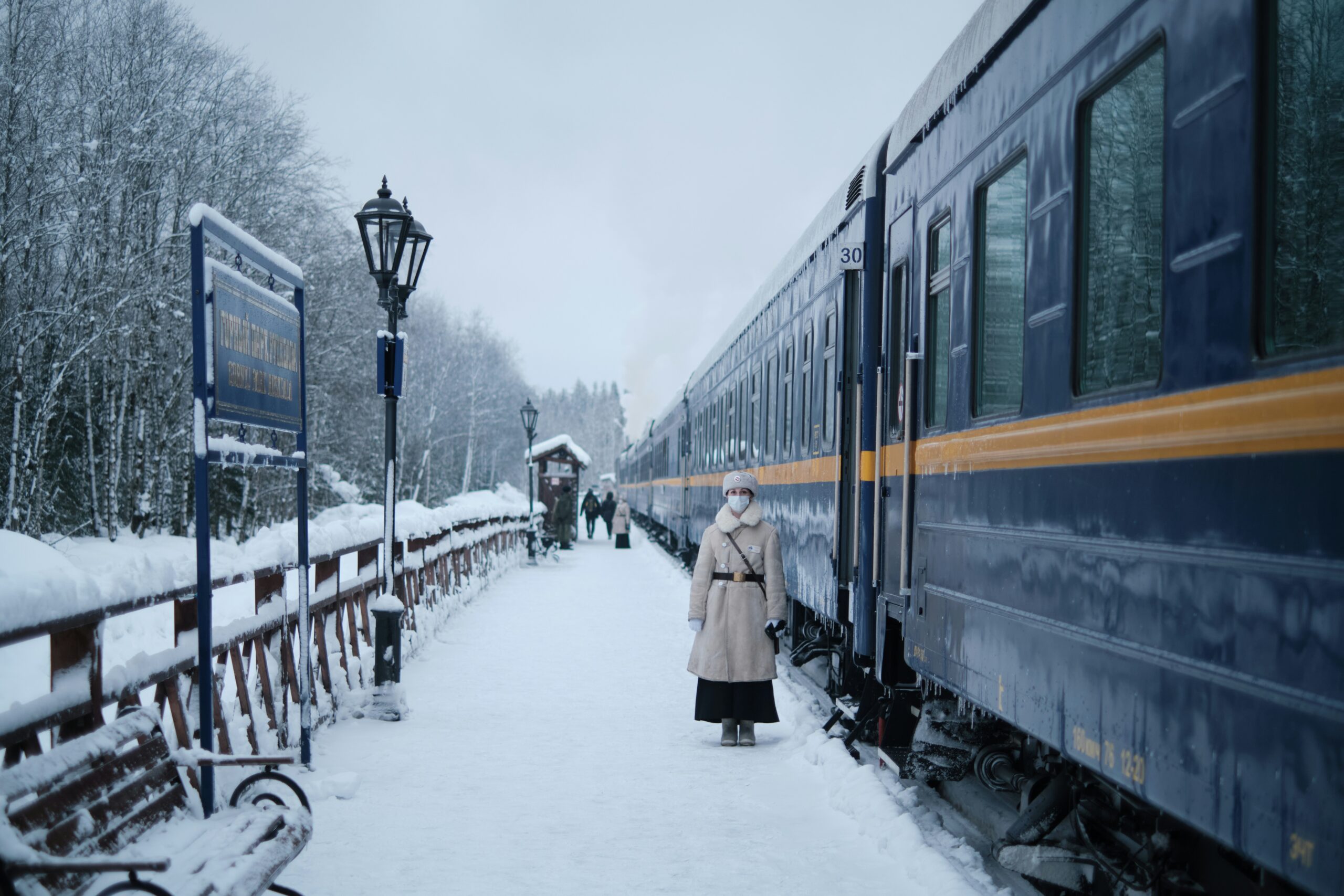
Emergence of New Destinations: Northern regions like Greenland or Siberia may see more tourism as they become accessible due to warming climates.
-
Tech-Driven Seasonal Guidance: AI and travel platforms may guide people in real-time toward ideal seasonal destinations based on weather, crowds, and sustainability scores.
Final Thoughts
Seasonal travel is no longer about simply avoiding rain or chasing sunshine. It’s a reflection of how the world is changing—and how travelers are becoming more conscious of their choices. What’s hot today may not be tomorrow, and what’s overlooked now may be the next big trend.
By staying aware of climate realities, respecting cultural rhythms, and embracing lesser-known alternatives, seasonal travel can become more meaningful and less harmful. Ultimately, the best journeys happen when timing and awareness align—allowing travelers to truly experience the essence of each season while leaving a positive footprint behind.

Leave a Reply